Source Automatic Round Tapioca Pearl Machine for Snack Factories
Compare 30 listings for the automatic round tapioca pearl machine from verified Chinese suppliers. Buyers can evaluate specifications like capacity, voltage, and material to find the right equipment for snack food production lines; compare the available evidence and request quotations based on your requirements.
Key considerations
Products List
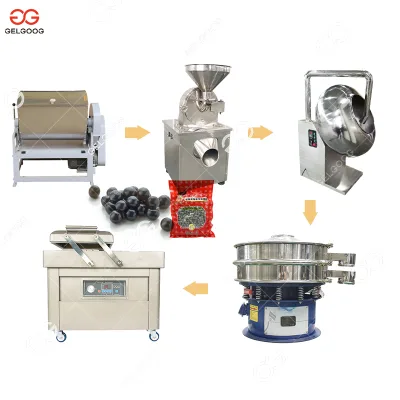


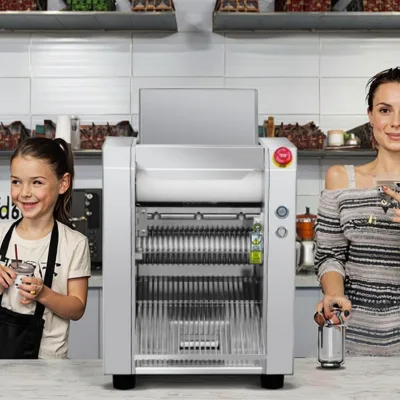
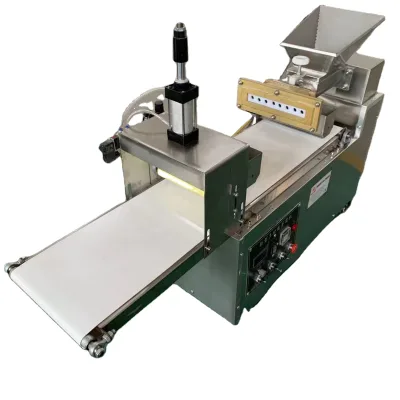
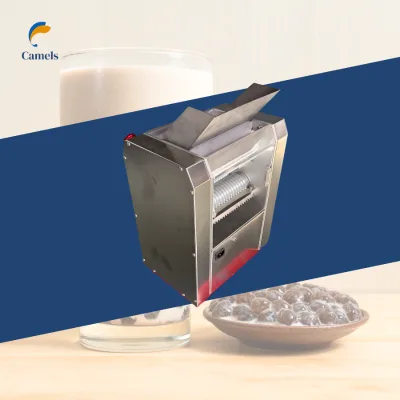


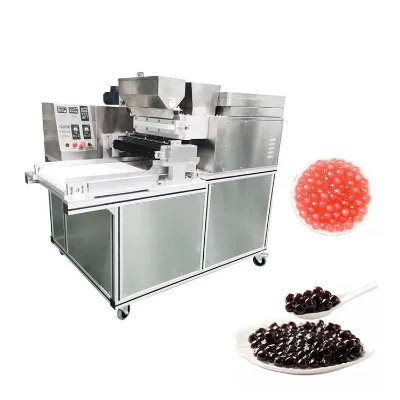
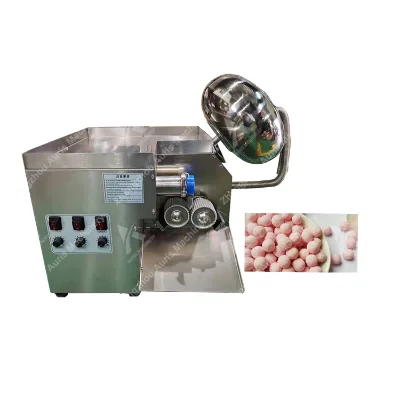
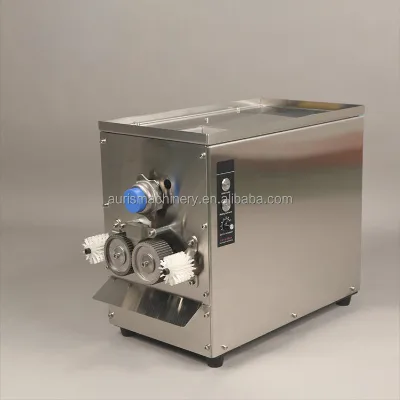


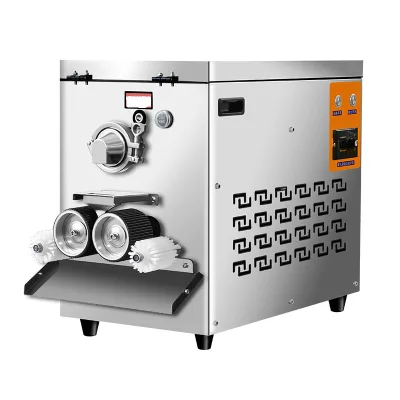
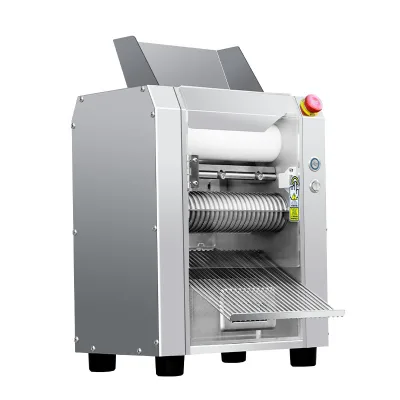


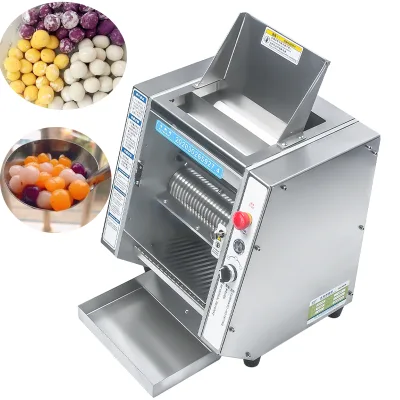
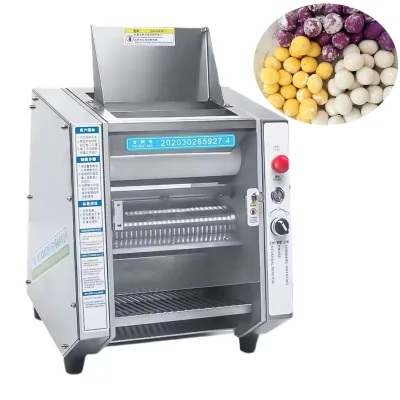


Comprehensive Sourcing Guide
Automatic Round Tapioca Pearl Machine Sourcing Guide
Procuring an automatic round tapioca pearl machine requires careful evaluation of the specific production line capabilities versus standalone unit functionality. The market offers distinct configurations ranging from high-capacity production lines capable of 50-100kg per hour to compact units designed for 15-30kg per hour output. Buyers must first determine if their operational scale demands a full line with thermal processing integration or a single automatic unit for smaller batch manufacturing.
The observed product landscape includes machines with varying power requirements, from 0.55kW units to higher capacity electric models operating at 380V or 110v/220v. It is critical to verify that the selected machine matches your facility's electrical infrastructure before finalizing a purchase. Additionally, the automatic grade and customization options available allow for tailoring the equipment to specific dough consistency and ball size requirements, such as the 8mm, 9mm, or 10mm diameters observed in current listings.
Product Scope and Observed Listing Signals
Current market listings indicate a diverse range of automatic tapioca pearl machines, with some models explicitly designed for donut applications while others focus strictly on taromaking. The functional scope extends from basic pearl production to integrated lines that handle the entire thermal processing workflow. Buyers should scrutinize the specific function description to ensure the machine aligns with their intended end product, as some units are optimized for snack food factories while others serve smaller commercial kitchens.
Physical dimensions and weight are significant factors in the procurement decision, with observed models ranging from compact 30kg units to heavy-duty 500kg industrial systems. The packaging details often specify export wooden cases or standard export packages, which directly impacts shipping logistics and on-site installation requirements. Understanding these physical constraints helps buyers plan their factory floor layout and ensure that the delivery port, typically Shanghai or Qingdao, aligns with their supply chain strategy.
Technical Specifications to Verify
Technical verification must begin with the core components and power source, as the motor is the primary driver of the automatic grade performance. Buyers should confirm the voltage compatibility, noting that some units operate on 380V while others support 110v/220v with 50hz/60hz flexibility. Ensuring the power rating matches the machine's capacity is essential to prevent operational failures, especially when scaling production from 20kg/hour to 100kg/hour.
Material construction is another critical specification, with many machines utilizing SS304 food-grade stainless steel to meet hygiene standards. The machine size and dimension data, such as 1350900850mm or 440320532mm, must be cross-referenced against available floor space. Buyers should also verify the ball size capabilities and the specific model number, such as GGL or SL, to ensure the equipment can produce the exact pearl dimensions required for their specific product line.
Compliance and Safety Documentation
Safety and compliance documentation are paramount when sourcing industrial food processing equipment, particularly regarding electrical safety and material standards. While some listings explicitly mention CE certification, buyers must request current certificates for every unit to ensure they meet the regulatory requirements of their destination country. The absence of a machinery test report in some listings necessitates a proactive request for third-party validation to confirm that the equipment has undergone rigorous safety testing.
Food safety compliance is equally important, with the use of SS304 material being a standard indicator of hygiene suitability. Buyers should verify that the machine's design prevents contamination and that all food-contact surfaces meet local food safety standards. It is advisable to ask for detailed material certificates and safety manuals that outline the operational procedures for thermal processing, ensuring that the equipment can be used safely in a commercial snack food factory environment.
Cost Drivers and Commercial Terms
The cost of an automatic round tapioca pearl machine is heavily influenced by its capacity, automation level, and material construction. Observed price ranges vary significantly, reflecting the difference between compact 30kg units and large-scale 500kg production lines. Buyers should analyze the total cost of ownership, including energy consumption based on the 0.55kW or higher power ratings, rather than focusing solely on the initial purchase price.
Commercial terms such as the minimum order quantity and supply ability are also key drivers in the procurement process. Most suppliers offer a single item selling unit with an MOQ of one, but the supply ability of 400 sets per month indicates the manufacturer's capacity to fulfill larger orders. Buyers must clarify the warranty period, typically one year, and understand the terms for spare parts availability to mitigate long-term operational risks associated with equipment failure.
Supplier Qualification and Quality Control
Supplier qualification involves verifying the place of origin and the manufacturer's ability to deliver consistent quality across their product range. Many suppliers are located in Henan or Chongqing, China, and buyers should assess their production history and export experience to ensure reliability. The availability of customization options suggests a flexible manufacturing process, but buyers must confirm that these customizations do not compromise the structural integrity or food safety standards of the final machine.
Quality control measures should include a review of the machinery test report availability and the condition of the equipment, which is typically listed as new. Buyers should request photos or videos of the machine in operation to verify the automatic grade performance and the consistency of the tapioca pearl output. Establishing a clear communication channel for after-sales support is essential, especially given the complex nature of thermal processing and the need for ongoing maintenance.
Long-Term Procurement Checks
Long-term procurement success depends on the availability of spare parts and the durability of the core components like the motor. Buyers should inquire about the lead time for replacement parts and the supplier's policy on technical support for troubleshooting operational issues. The warranty period of one year provides a baseline for protection, but extending this coverage or securing a service contract can significantly reduce downtime risks in a continuous production environment.
Finally, buyers must plan for the scalability of their operations by selecting a machine that can adapt to future production increases. The observed capacity ranges from 15kg/hour to 100kg/hour, offering flexibility for different growth stages. Regular maintenance schedules and the availability of training materials for operators are critical for maintaining the high productivity and efficiency promised by the automatic grade features of these machines.
FAQs
What is the production capacity of the automatic tapioca pearl machine?
The machine offers varying capacities depending on the specific model selected. Some units produce 50 to 100 kilograms per hour, while smaller models operate at 15 to 20 kilograms per hour. This flexibility allows buyers to choose a system that matches their specific production volume requirements.
Which certifications does the tapioca pearl production line hold?
The equipment is certified with CE standards to ensure safety and compliance. This certification indicates that the machinery meets essential health, safety, and environmental protection requirements for operation within relevant markets, providing buyers with confidence in the product's regulatory standing.
Can the automatic round tapioca pearl machine be customized?
Yes, customization is available for this production line to meet specific buyer needs. The machine supports tailored configurations, allowing manufacturers to adjust features or specifications. This ensures the equipment can be adapted to unique production processes or specific product requirements.
What is the warranty period for the tapioca pearl making machine?
The product comes with a standard one-year warranty covering the machinery. This warranty provides protection against defects and ensures support for the initial operational period. Buyers should verify specific terms with the supplier to understand the full scope of coverage.
How much does the automatic tapioca pearl machine weigh?
Weight varies significantly across different models in the product range. Larger industrial units can weigh up to 500 kilograms, while compact versions are approximately 30 kilograms. The specific weight depends on the model number and the intended capacity of the machine.
What is the voltage requirement for the tapioca pearl machine?
Voltage requirements differ based on the specific model and target market. Some units operate on 380V, while others support 110V or 220V at 50Hz or 60Hz frequencies. Buyers must confirm the electrical specifications match their local power supply before installation.
Which material is used to construct the tapioca pearl machine?
The machine is constructed using SS304 stainless steel, which meets food safety standards. This material ensures durability and hygiene during the production process. The use of food-grade materials is essential for maintaining product quality and safety in food manufacturing environments.